Buying a CNC machine should not begin by asking which one is the fastest. It should begin with a more important question: What production problem do you need to solve?
For furniture manufacturers, investing in technology can lead to greater capacity, precision, and flexibility. However, even an advanced machine can become underutilized if it does not match the factory's actual products, production volumes, and processes.
In 2026, the concept of CNC manufacturing is also evolving. Machining centers are increasingly becoming part of connected ecosystems where machinery, automation, software, and data work together.
This transformation could already be seen in technologies presented at Xylexpo 2026. SCM showcased solutions integrating machinery, automation, software, and digital services, along with CNC machining centers designed to increase flexibility in furniture and woodworking production. (SCM Group, 2026)
So, what should furniture manufacturers consider when choosing CNC machinery as they prepare for 2027?
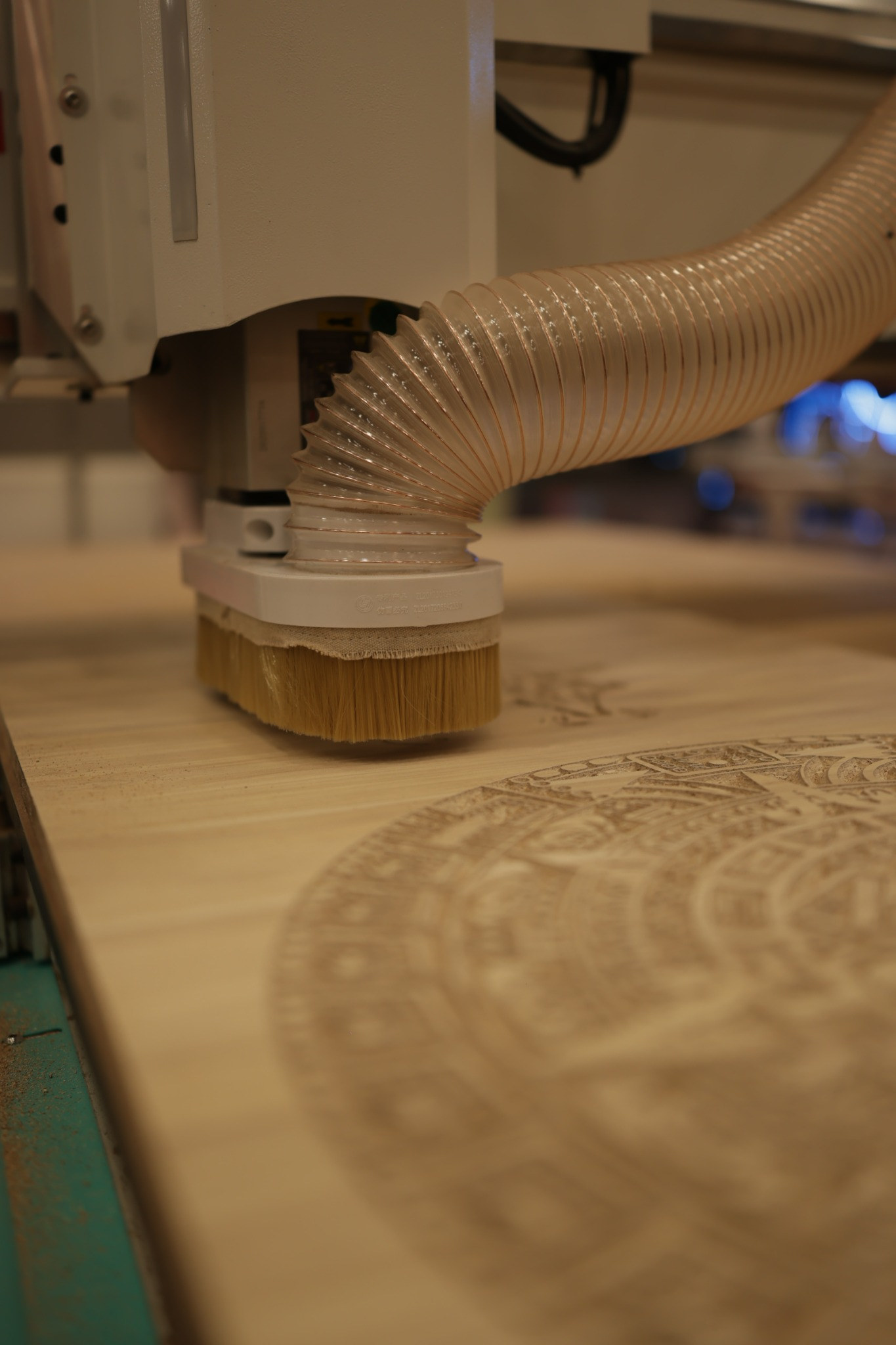
Not every factory needs the same CNC solution.
Manufacturing custom furniture, kitchens, closets, components, contract furniture, or high-volume products involves different requirements in terms of speed, tooling, dimensions, machining operations, and automation.
Before comparing machines, analyze the materials you process, the number of parts you manufacture, the operations that consume the most time, and how frequently your production changes from one order to another.
The right machine is the one that fits your actual operation—not necessarily the one with the longest list of specifications.
A faster machine does not automatically create a more productive factory.
If cutting produces more parts than machining, edgebanding, sanding, or assembly can process, increasing cutting speed may simply create more work-in-process inventory.
That is why manufacturers should examine cycle times, downtime, rework, and material accumulation before investing.
Smart manufacturing is reinforcing this data-driven approach. According to the 2026 State of Smart Manufacturing Report by Rockwell Automation, based on 1,560 manufacturers across 17 countries, 59% of respondents are already actively using smart manufacturing technologies in their operations. (Rockwell Automation, 2026)
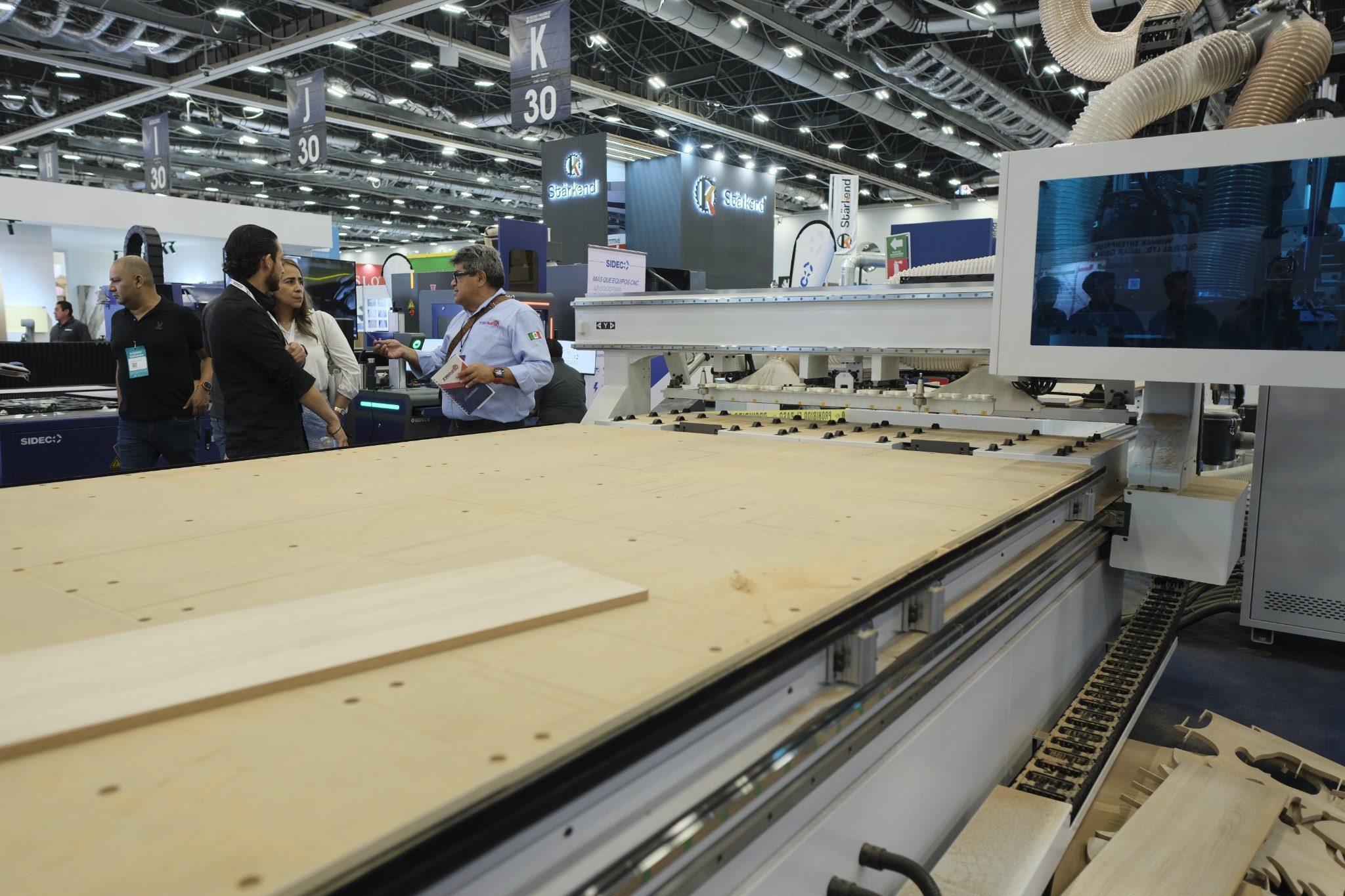
In furniture manufacturing, producing one part correctly is not enough. The real value lies in being able to reproduce it consistently.
Drilling, routing, cutting, and machining operations must maintain the tolerances required to simplify later production stages and reduce adjustments and rework.
CNC precision should therefore be evaluated alongside process stability and the quality level your operation needs to maintain repeatedly.
One important direction in today's machinery is the integration of operations that previously required separate machines or production stages.
In September 2026, SCM highlighted automation systems capable of integrating processing operations within the same production flow, including drilling, routing, and hardware insertion. The company connects this approach with greater efficiency, even with complex production mixes, as well as processes designed to reduce waste. (SCM Group, 2026)
Before choosing a CNC machine, ask: How many movements, waiting periods, and additional processes could this investment eliminate?
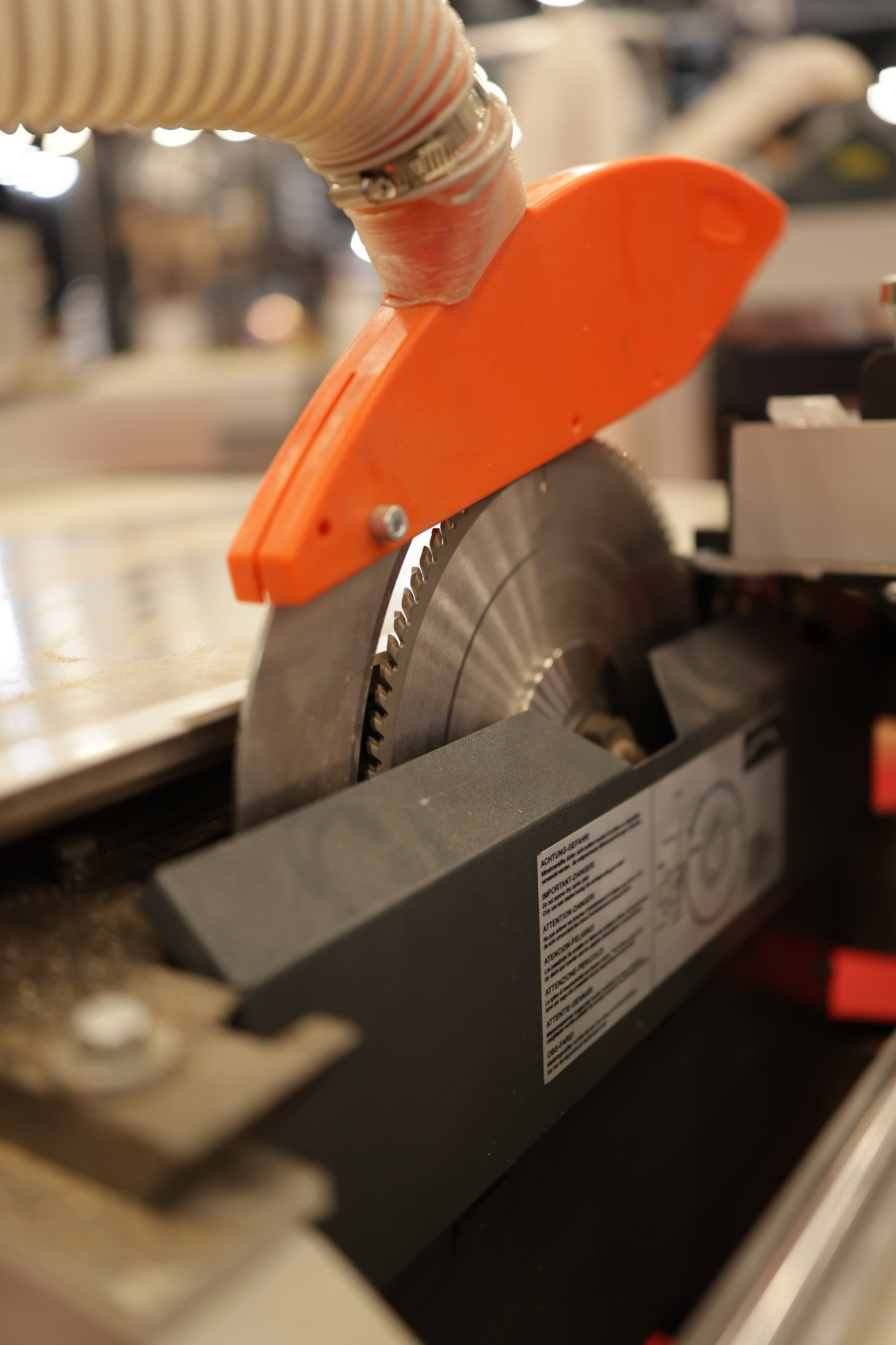
Machinery is increasingly moving away from operating as an isolated unit.
MES platforms, IoT systems, and production software can connect equipment, monitor operations, and turn factory data into information that supports better decisions.
At Xylexpo 2026, for example, SCM presented an MES/MOM platform integrated with its machinery and IoT services, designed to use production data to increase efficiency and productivity. (SCM Group, 2026)
Heading into 2027, connectivity may become just as important as machining speed.
The real investment does not end with the quotation.
Tooling, software, installation, training, maintenance, consumables, energy use, and downtime should all be included in the analysis.
Manufacturers should also ask how much material can be saved, how much rework could be reduced, and how many manual operations could be simplified.
A machine with a higher initial price may ultimately create more value if it reduces recurring costs throughout its useful life.
Demand for customization and changing production batches is driving more flexible manufacturing solutions.
At IWF 2026, for example, an award-winning CNC machining center integrated routing, drilling, and edgebanding operations into a single solution designed for more customized, faster, and integrated production. (SCM Group, 2026)
Do not evaluate only what your factory produces today.
Consider which new materials, products, production volumes, or levels of customization your company may need in the coming years.
A good investment should help solve a specific constraint, maintain quality, reduce time or waste, and prepare your operation for growth.
The most advanced technology is not always the best investment. The right technology is the one that integrates into your processes and translates into real productivity.
The next generation of furniture manufacturing will be more automated, flexible, and connected.
Discover at Tecno Mueble Internacional the technologies transforming the way furniture is manufactured.